
figured glass
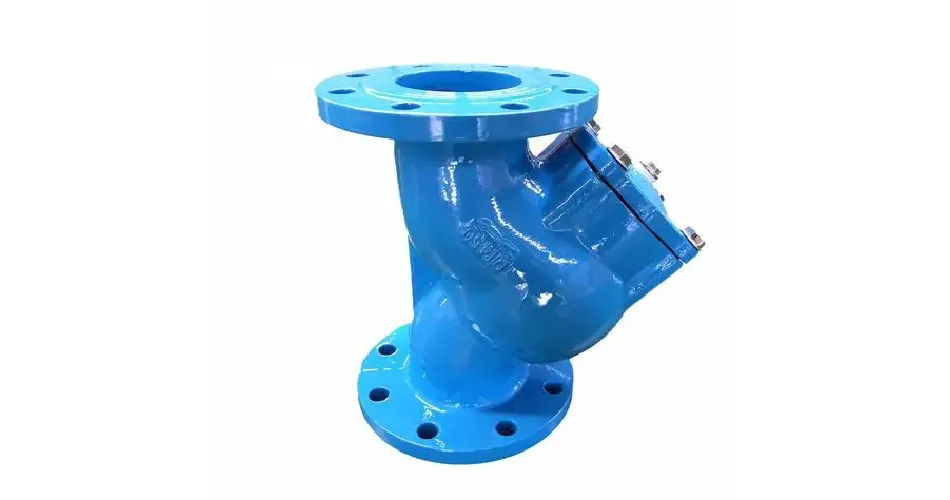
Understanding the Cost of Pressure Control Valves Pressure control valves are essential components in various industries, ensuring the safe and efficient operation of systems by regulating pressure levels. These valves find applications in manufacturing, oil and gas, water treatment, and many other sectors. As these systems are critical for maintaining operational integrity, understanding the pricing of pressure control valves becomes crucial for businesses looking to optimize their expenditures without compromising quality. The price of pressure control valves can vary significantly based on a variety of factors, including design, size, materials, and application. Generally, standard pressure control valves can range anywhere from $50 to several thousand dollars. For instance, a simple brass valve designed for low-pressure applications may fall on the lower end of the price spectrum, while specialized valves made from high-grade materials to withstand extreme conditions can be quite expensive. Understanding the Cost of Pressure Control Valves Additionally, the size and specifications of the valve play a critical role in determining its cost. Larger valves that can handle higher flow rates or operate at elevated pressures typically command higher prices. Custom-designed valves tailored to specific applications may also lead to increased costs, as specialized manufacturing processes and materials would be required. pressure control valve price Another factor influencing the price is the brand and the technology used. Established manufacturers often offer higher prices due to their reputation for quality, reliability, and aftermarket support. Innovative features such as electronic controls, advanced sealing technologies, and integrated monitoring systems can further drive up the price but may enhance efficiency and reduce operational costs over time. When considering the price of pressure control valves, it's essential to factor in the long-term benefits and potential savings. Investing in high-quality valves can lead to reduced maintenance costs and enhanced reliability, which is critical for operations that cannot afford downtime. Moreover, choosing the correct valve for the application ensures optimal performance, which can lead to energy savings and decreased operational costs. For companies purchasing pressure control valves, conducting thorough research and comparing options from different suppliers will help identify the best fit for their needs. It may be beneficial to seek expert advice to understand the specific requirements of the application, as this can help avoid overspending on unnecessarily high-end products or facing issues with incorrect specifications. In conclusion, the price of pressure control valves can vary widely based on several factors, including material, size, specifications, brand reputation, and advanced features. Businesses should carefully evaluate their needs and consider both upfront costs and long-term savings to make informed purchasing decisions. Quality valves are an investment in reliability and efficiency, essential for the smooth operation of any industrial process.
about
figured glass
Understanding Valve Types Essential Components in Fluid Control Valves are essential components in various engineering and industrial applications, playing a critical role in controlling the flow of fluids, gases, and slurries. With an extensive range of valve types available, each designed for specific applications, understanding these differences can help engineers and operators make informed decisions about which valve to use for a given situation. In this article, we will explore the primary types of valves, their functions, and where they are typically used. 1. Gate Valves Gate valves are primarily used for on/off control of flow. They consist of a gate that can move up and down to either obstruct or allow flow. This type of valve is particularly desirable in applications where a straight-line flow of fluid and minimal pressure drop are required. Commonly found in water supply systems and industrial processes, gate valves are not suitable for throttling applications, as partially opened gates can cause erosion and damage. 2. Globe Valves Globe valves are designed for regulating flow. They feature a spherical body with an internal baffle that directs the fluid flow. This design allows for good throttling capabilities, making them suitable for applications where flow needs to be adjusted frequently. While they have a higher pressure drop compared to gate valves, their ability to control flow accurately makes them widely used in steam and cooling systems. 3. Ball Valves With their quick operation and reliable sealing, ball valves are popular in various industries. A ball with a hole through the center rotates 90 degrees to allow or block the flow. This design offers low resistance to flow, making ball valves ideal for applications requiring fast shut-off. They are commonly used in residential plumbing, oil and gas, and chemical processing. 4. Butterfly Valves valve types Butterfly valves are lightweight and compact, making them a preferred choice in large-scale applications. They utilize a rotating disc to regulate flow, which can be positioned anywhere between fully open and fully closed. These valves are often found in water treatment facilities and HVAC systems, where seismic forces or space limitations may limit the use of bulkier valve types. 5. Check Valves Check valves are critical for preventing backflow in piping systems. They operate automatically, allowing fluid to flow in one direction while closing when the flow reverses. There are several types of check valves, including swing check and lift check, each suited for different applications. They are commonly used in pump discharge lines and in systems where backflow needs to be mitigated to protect equipment. 6. Pressure Relief Valves Pressure relief valves are safety devices designed to automatically release pressure to prevent system overloads. They are crucial in steam boilers and pressure vessels, where exceeding the safe operating limits can lead to catastrophic failures. These valves ensure that pressure remains within acceptable levels by venting excess fluid or gas. 7. Solenoid Valves Solenoid valves are electromechanical devices used for automated control of fluid flow. They consist of a coil that, when energized, moves a plunger to open or close the valve. Commonly used in irrigation systems, automotive applications, and home appliances, solenoid valves offer rapid response times and precise control over fluid dynamics. Conclusion In summary, there are numerous valve types designed to meet specific fluid control needs across various industries. From gate and globe valves for flow regulation to ball and butterfly valves for quick shut-off, understanding their unique characteristics and applications is vital. As technology advances, the development of new materials and designs will continue to enhance the efficiency, reliability, and safety of valve systems. Engineers and operators must stay informed about these options to ensure optimal performance in their processes.
-

High quality industrial productsagement

High quality industrial products
View Details -

Meet the diverse needs of customers

Meet the diverse needs of customers
View Details -

Strict quality control

Strict quality control
View Details -

Top raw materials

Top raw materials
View Details -

Trusted supplier

Trusted supplier
View Details
Our application

news and information
Why Granite Surface Plates Outperform Other Materials
Precision is the foundation of any successful industrial or fabrication process. Whether it's for me
Various Types of Micrometers and Their Applications in Precision Measurement
Types of Micrometers A Comprehensive Guide Micrometers are precision measuring instruments commonly

Using Pin Go-No Go Gauge for Precision Measurement in Manufacturing Applications
Understanding the Pin Go/No-Go Gauge A Key Tool in Quality Control In the realm of manufacturing and
 English